


Registration of establishment under Contract Labour Act

- info.sonydig
- Jun 3, 2024
- No Comments
Introduction
Navigating the complexities of labor laws can seem daunting, but understanding them is crucial for maintaining compliance and protecting both your business and its workers. One essential statute is the Contract Labour (Regulation and Abolition) Act, which aims to regulate employment terms for contract labor and prevent exploitation. This guide focuses on a key requirement: registering your establishment under the Act. Adequate registration not only ensures legal compliance but also upholds the welfare of your contracted workforce. Let’s delve into why and how to effectively register your business under this pivotal legislation.
Overview of the Contract Labour Act
Explanation of the Contract Labour Act and its significance for businesses
The Contract Labour (Regulation and Abolition) Act of 1970 is a significant piece of legislation in India aimed at regulating the employment of contract labor and ensuring their rights are protected. Businesses that employ contract labor for any process, operation, or other work need to adhere to this Act to avoid legal repercussions and maintain labor compliance. This Act is crucial as it aims to prevent the exploitation of contract workers and to ensure they are provided with fair wages, work conditions, and social security, similar to regular employees.
Key provisions related to establishment registration under the Act.
Under the Contract Labour Act, any establishment that employs twenty or more contract workers must register with the appropriate government authorities. The Act outlines specific provisions for registration such as maintaining proper records regarding the work performed by contract workers, their wages, and the duration of their employment. It also mandates facilities like canteen, restrooms, and first-aid facilities, depending on the size of the establishment and the number of workers. Compliance with these provisions not only ensures legal operation but also boosts the morale and productivity of the workforce.
Steps to Register Your Establishment
Step 1: Understanding the registration requirements.
To initiate the registration process, an establishment needs to understand whether it falls under the purview of the Act based on both the nature of work and the number of contract laborers employed. Establishments should assess their compliance requirements in accordance with the Contract Labour Act, which includes both federal and state-specific regulations. Reviewing these factors carefully will help in smooth navigation through the registration process.
Step 2: Preparing the necessary documents for registration.
Preparing the right documentation is crucial for a hassle-free registration process. Typically, this includes:
– A duly filled application form specified under the Act.
– A non-refundable prescribed fee, which depends on the number of workers.
– Detailed records of contract laborers including their work type and duration.
– Any other documents that might be required by the respective state laws or regulations.
Accumulating these documents beforehand will expedite the registration procedure.
Step 3: Submitting the application for establishment registration
Once all the prerequisites are met and the documents are in order, the establishment can proceed with submitting the application for registration to the designated labor department. This can usually be done online through the official state or central labor website, or at the physical office. Once submitted, the application will be reviewed by the authorities. If everything is in accordance, the registration certificate will be issued. This certificate is important as it serves as legal proof of compliance with the Contract Labour Act and should be displayed prominently at the workplace.
By following these steps diligently, an establishment can ensure compliance with the Contract Labour Act, safeguarding both the interests of the workforce and the reputation of the business.
Compliance Guidelines
Ensuring compliance with the Contract Labour Act post-registration.
Once your establishment is registered under the Contract Labour Act, ongoing compliance is crucial to avoid legal pitfalls and enhance your reputation as a fair employer. Firstly, maintain meticulous records of all contract laborers employed, including their work hours, wages, and terms of employment. Regular audits by labor inspectors or internal compliance teams can ensure that all requirements are being met consistently. Additionally, it is important to educate your supervisors and HR team about the essentials of the Contract Labour Act to prevent any accidental violations. Regular training sessions can be beneficial in this regard.
Best practices for maintaining compliance with labor and employment laws
To ensure sustained adherence to labor laws, adopting best practices is recommended:
– Regular Training: Conduct regular training sessions for all managerial personnel on updates and changes in labor laws, emphasizing the Contract Labour Act.
– Legal Audits: Periodically invite labor law experts to audit your compliance procedures and employment practices. This helps in identifying any potential issues and correcting them promptly.
– Worker Engagement: Engage with contract workers openly to understand their concerns and feedback. This can help in addressing grievances early and improving worker satisfaction.
– Documentation and Updates: Keep all documentation up-to-date, including contracts, work orders, and compliance certificates. Regularly review these documents to ensure they meet current legal standards.
Benefits of Registration
Registering your establishment under the Contract Labour Act not only helps in complying with the law but also brings several benefits that can positively impact your business. For starters, it enhances the credibility of your organization among potential clients who value compliance and ethical operations. Furthermore, registration helps in safeguarding against legal complications that might arise due to non-compliance, thus ensuring smoother operational flow. Additionally, being a registered establishment can attract better skilled and more reliable contract workers who prefer to work in a legally compliant environment. This can lead to increased productivity and a more stable workforce. By achieving compliance, your business also demonstrates social responsibility, boosting your brand image and employee morale.
Common Mistakes to Avoid
Common errors businesses make during the registration process.
When registering an establishment under the Contract Labour Act, it’s crucial to avoid common pitfalls that can complicate compliance. First, ensure all information is accurate and current; this includes details of the establishment, principal employer, and the nature of work conducted. Secondly, businesses often overlook the need to submit the correct supporting documents, such as PAN cards or proof of business operations. This oversight can delay the registration process significantly. Lastly, adhere strictly to the deadlines; late submissions can lead to unnecessary hassle and potential rejections.
Understanding the consequences of non-compliance with the Act.
Failing to comply with the Contract Labour Act can have severe implications for businesses. Primarily, non-compliance can result in hefty fines and legal penalties, which not only affect the financial standing but also damage the reputation of the business. Moreover, it can lead to disruptions in operations if the authorities decide to conduct inspections and find irregularities. Continuous non-compliance might also result in the cancellation of the establishment’s license, thus legally preventing the business from operating under the purview of contract labor laws. Ensuring timely and accurate compliance with the registration requirements will protect your business from these potential risks.
Conclusion
Navigating the requirements for the registration of your establishment under the Contract Labour Act can initially seem daunting, but compliance is crucial for the smooth operation of your business. By understanding and following the guidelines outlined, you can ensure that your establishment remains compliant, thus avoiding legal pitfalls and fostering a positive working environment. Remember, successful compliance not just fulfills legal obligations but also boosts the morale of your workforce, contributing to better productivity and stability in your business operations. Stay updated with any changes in labor laws and continue to prioritize the well-being of your labor force.
Prerequisite Documents:
Checklist of documents to be uploaded (Only png, jpg, pdf is supported and maximum file size of 4 MB is allowed)
1. Pan Card/Aadhaar/GST of principal employer *
2. If Govt.: Official letter from Govt*
3. If Private Entity: ROC / MOA*
4. Photo of odia signboard *
5. Trade Licence from local authority
6. Signature of applicant *
As per provisions of Sec. 7 of the Contract Labour(R&A) Act, 1970, every principal employer of an establishment engaging 50 or more contract labourers has to apply for registration of the establishment within 30 days.
The District Labour Officers are declared as Registering Officers under the said Act to grant registration. Based on the geographical location, the application will be routed to the concerned District Labour Officer.
Department
- Establishment of Machinery Banks for Custom Hiring
- Farmer profile updation
- Farmer Registration & Updation
- Mukhyamantri Krushi Udyoga Yojana (MKUY)
- National Food Security Mission (NFSM) - Support for Cultivation and Expansion of Oil Palm
- Special Fruit Specific Scheme
- Subsidy for Farm Mechanisation (farm machinery and implements) in selected Villages of Aspirational Districts
- Sugarcane Harvester for Custom Hiring
- Supply of Potato, Vegetables, and Spices Minikits at Subsidized
- Application for Insurance Coverage for Livestock
- Broiler Poultry Farming
- Construction of Growout Tanks
- Construction of New Ponds for Brackish Water Aquaculture
- Construction of Rearing Ponds
- Fish Transport Vehicles
- Issuance of Postmortem Reports and Insurance Documents for Insurance Claim of livestock
- Layer Poultry Farming
- Mini Poultry Feed Mill
- Motorisation of Traditional Crafts
- Popularization of Fisheries Machinery/Equipment
- Promotion of intensive aquaculture through biofloc technology
- Providing boats(replacement) and nets for traditional fishermen
- Registration of fishing boats(Marine)
- Registration of New Brackish Water Fish Farms
- Renewal of Fishing License
- Renewal of Registration of Brackish Water Fish Farms and Hatcheries
- Semi-Commercial Duck Farming
- Semi-Commercial Pig Farming
- Small Scale Poultry Hatchery
- Fire Safety Certificate for Building(s) or Premises
- Fire Safety Certificate for Temporary Structure
- Fire Safety Recommendation for Proposed Building(s)
- Fire Safety Recommendation for Temporary Structure
- Supply of Copy of Fire Certificate for Fire Incident in Insured Premises below 10 Lakh
- Supply of Copy of Fire Certificate for Fire Incident without Insurance
- Supply of Copy of Fire Report
- Amendment / Cancellation of Registration - Registration of Trade Union(M-18)-Labour(The Trade Unions Act, 1926 And Regulation, 1941)
- Amendment of Licence under Contract Labour Act
- Amendment of license under Factories Act 1948
- Amendment of RC under Orissa Shops & Commercial Establishments Act, 1956 And Orissa Rules 1958
- Amendment of Registration Certificate - Registration of Establishment(M-9)-Labour (The Building & Other Construction Workers (RE&CS) Act, 1996 and its Odisha Rules, 2002)
- Amendment/ Transfer of Registration - Registration of Motor Transport undertakings(M-12)-Labour (The Motor Transport Workers Act, 1961 And Orissa Rules, 1966)
- Ammendment of license under the Inter State Migrant Workmen Act 1979
- Ammendment of RC under Contract Labour Act
- Ammendment of RC under the Inter State Migrant Workmen Act 1979
- Annual Contributions
- Appeal for RC/license under the Inter State Migrant Workmen Act 1979
- Appeal for registration/Grant of license under Contract Labour Act
- Approval for extension plan for factories under Factories Act 1948
- Approval of erection permission for boilers under the Boilers Act 1923
- Approval of list of Holidays(M-16)-Labour(Odisha Industrial Establishments (National & Festival) Holidays Act, 1969 And Orissa Rules 1972)
- Approval of plan and permission to construct or take in to use of any building as factory under Factories Act 1948
- Approval of repair orders for boilers under the Boilers Act 1923
- Approval of steam pipeline drawings under the Boilers Act 1923
- Cancellation of License - The Beedi and Cigar Workers (CE) Act, 1966 And Orissa Rules, 1969
- Certification of Standing orders(M-17)-Labour (Industrial Employment (Standing Orders) Act, 1946 And Orissa Rules 1946)
- Death benefit
- Endorsement of Certificates of Boiler Attendants
- Endorsement of Welder's certificate
- Grant of Certificate for Manufacture of Boilers and Pressure Part Components - The Boilers Act, 1923
- Grant of Certificate of Registration - Registration of Trade Union(M-18)-Labour(The Trade Unions Act, 1926 And Regulation, 1941)
- Grant of Erector Certificate for Boiler and Steam pipelines - The Boilers Act, 1923
- Grant of Funeral expenses
- Grant of license for contractors under Contract Labour Act
- Grant of license for employment of migrant workmen in the recipient state under the Inter State Migrant Workmen Act 1979
- Grant of license for recruitment by the contractor in home state under the Inter State Migrant Workmen Act 1979
- Grant of license for recruitment by the local agent , who supply migrant workmen to the contractors of the outside state under the Inter State Migrant Workmen Act 1979
- Grant of Marriage assistance for marriage of Self / Dependent girl child
- Grant of Maternity benefit
- Grant of Repairer Certificate for Boilers and Steam pipelines - The Boilers Act, 1923
- Insured Person registration for Integrated Inventory Management System
- Intimation of BOE Certificate - Endorsement & Revalidation
- Modification of Standing orders(M-17)-Labour (Industrial Employment (Standing Orders)Act, 1946 And Orissa Rules 1946)
- Registration of boilers under the Boilers Act 1923
- Registration of Construction Worker
- Registration of Establishment - Registration of Motor Transport undertakings(M-12)-Labour (The Motor Transport Workers Act, 1961 And Orissa Rules, 1966)
- Registration of Establishment - The Beedi and Cigar Workers (CE) Act, 1966 And Orissa Rules, 1969
- Registration of establishment under Contract Labour Act
- Registration of establishment under the Inter State Migrant Workmen Act 1979
- Registration of Establishment(M-9)-Labour(The Building & Other Construction Workers (RE&CS) Act, 1996 and its Odisha Rules, 2002)
- Registration of RC under Orissa Shops & Commercial Establishments Act, 1956 And Orissa Rules 1958
- Registration/Grant of license under Factories Act 1948
- Reimbursement Claim of Medicine (RCM)
- Renewal of boilers and grant of short duration certificate under the Boilers Act 1923
- Renewal of Certificate for Manufacture of Boilers and Pressure Part Components - The Boilers Act, 1923
- Renewal of Erector Certificate for Boiler and Steam pipelines - The Boilers Act, 1923
- Renewal of License - The Beedi and Cigar Workers (CE) Act, 1966 And Orissa Rules, 1969
- Renewal of license of contractors under Contract Labour Act
- Renewal of license under Factories Act 1948
- Renewal of license under the Inter State Migrant Workmen Act 1979
- Renewal of Registration - Registration of Motor Transport undertakings(M-12)-Labour(The Motor Transport Workers Act, 1961 And Orissa Rules, 1966)
- Renewal of Repairer Certificate for Boilers and Steam pipelines - The Boilers Act, 1923
- Revalidation of Welder's certificate
- Transfer of license under Factories Act 1948
- Amendment of Byelaw of Registered Society (District level)
- Amendment of Registered Partnership Firm
- Amendment of the Bye-law of Registered Society (State Level)
- Apply for Conversion of Agricultural Land U/s 8(A) of OLR Act
- Apply for Demarcation (For Industries/Corporate Sectors only)
- Apply for Marriage Registration
- Apply for Mutation
- Apply for Partition of Land on Mutual Agreement U/s Sec 19(1)C of OLR Act
- Certified Copy of Previously Registered Deed
- Certify Copies of ROR
- Create UAI
- Dissolution of Partnership Firm
- Dissolution of Society
- Issuance of Caste Certificate
- Issuance of Guardianship Certificate
- Issuance of Income & Asset Certificate
- Issuance of Income Certificate
- Issuance of Legal Heir Certificate
- Issuance of OBC Certificate
- Issuance of Residence Certificate
- Issuance of SEBC Certificate
- Issuance of Solvency Certificate
- Issuance of Tribe Certificate
- Issue of Encumbrance Certificate
- Registration of Documents (Submission)
- Registration of Partnership Firm
- Registration of Society (where more than one district is involved -State Level Society)
- Registration of Society (where one district is involved)
- Issue of Certificate Verification (CHSE)
- Issue of duplicate copy of High School Certificate
- Issue of duplicate copy of the High School Mark sheet by Board of Secondary Education, Odisha.
- Issue of Migration Certificate
- Issue of Original High School Certificate –cum-Mark sheet by the Board of Secondary Education, Odisha
- Issue of Pass /Equivalence Certificate
- Issue of verification of Mark Sheet by CHSE
- Readdition of Marks on Manual Valuation (CHSE)
- Readdition of Marks on Screen Valuation (CHSE)
- Renewal of affiliation to the Colleges by CHSE
- Authentication of certificates under World Educational Society Employers (VSSUT)
- Duplicate / Name Correction Degree Certificate (BPUT)
- Duplicate / Name Correction Grade Sheet (s) (BPUT)
- Duplicate Degree Certificates (VSSUT)
- Duplicate of Printed Provisional Pass Certificate (CET & IGIT Saranga)
- Duplicate of Printed Provisional Pass Certificates (VSSUT)
- Final Exam Grade Sheet (CET & IGIT Saranga)
- Final Exam Grade Sheets (VSSUT)
- Migration Certificate (BPUT)
- Migration Certificate (VSSUT)
- Online Final Grade Sheet (s) (BPUT
- Online Provisional Pass Certificate (BPUT)
- Online Provisional Pass certificates (VSSUT)
- Online Semester Grade Sheet (s) (BPUT)
- Photocopy of used answer Booklet (s) by E-Mail (BPUT)
- Photocopy of used Answer Booklets (by-Email) (CET & IGIT Saranga)
- Photocopy of used Answer Booklets(by e-mail) (VSSUT)
- Provisional Certificate (CET & IGIT Saranga)
- Semester Grade Sheet (CET & IGIT Saranga)
- Semester Grade Sheets (VSSUT)
- Transcript (CET & IGIT Saranga)
- Transcript (s) (BPUT)
- Transcript (VSSUT)
- World Education Services (Academic Records Request Form) (BPUT)
- Admission of Disabled students in Special School
- Free laptop for students
- Online Application and issuance of PwD ID Cards
- Online Application and sanction of Marriage Incentives
- Online Application for MBPY Pension Scheme
- Online Application for NSAP Pension Schemes
- Online Application for Scholarships
- Online Grievance lodge system
- Online Registration for BBSA Camp
- Online Registration for NGOs
Related Blogs
-
Renewal of Repairer Certificate for Boilers and Steam pipelines – The Boilers Act, 1923
-

Grant of Repairer Certificate for Boilers and Steam pipelines – The Boilers Act, 1923
-
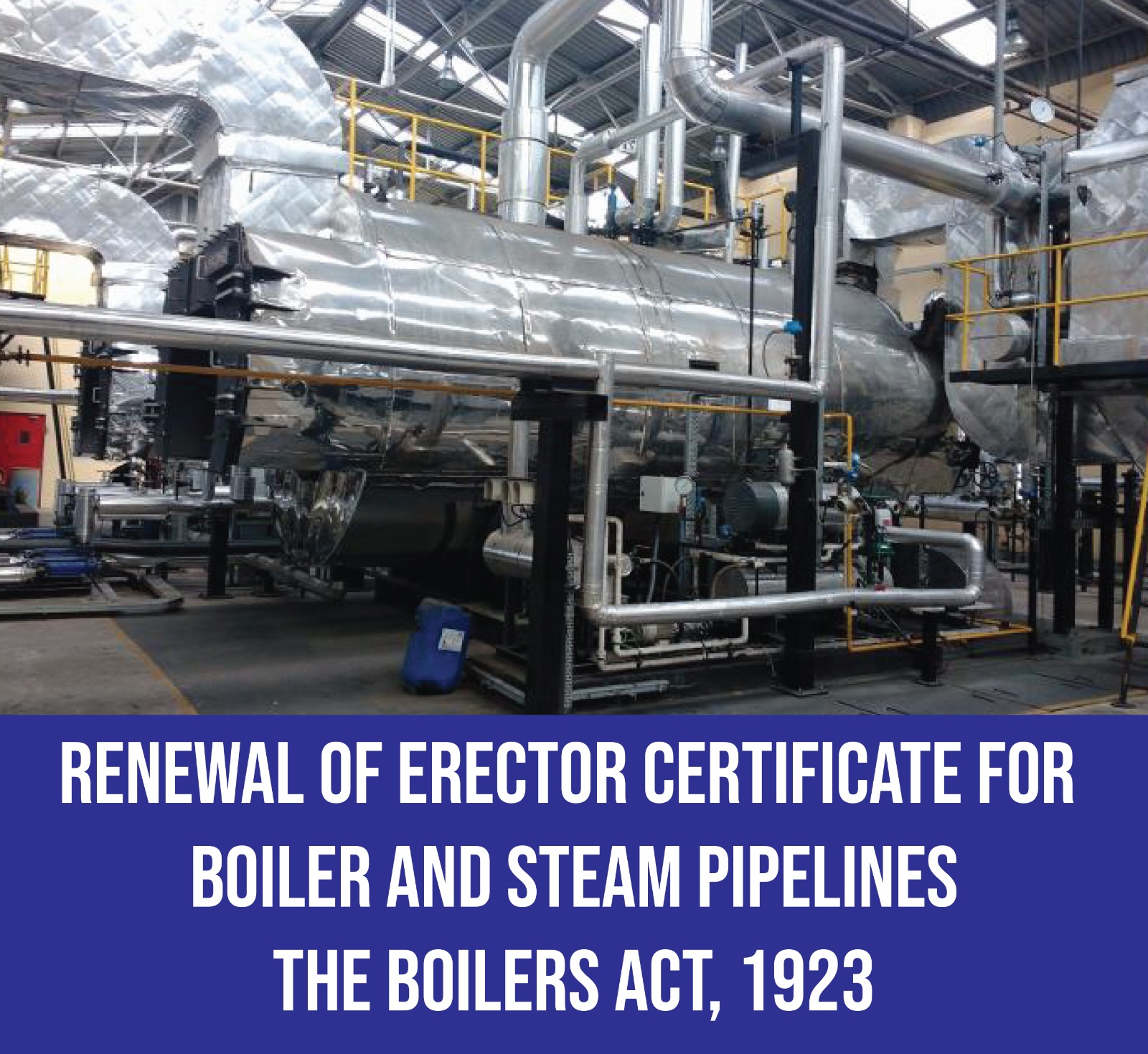
Renewal of Erector Certificate for Boiler and Steam pipelines – The Boilers Act, 1923
-

Grant of Erector Certificate for Boiler and Steam pipelines – The Boilers Act, 1923


